
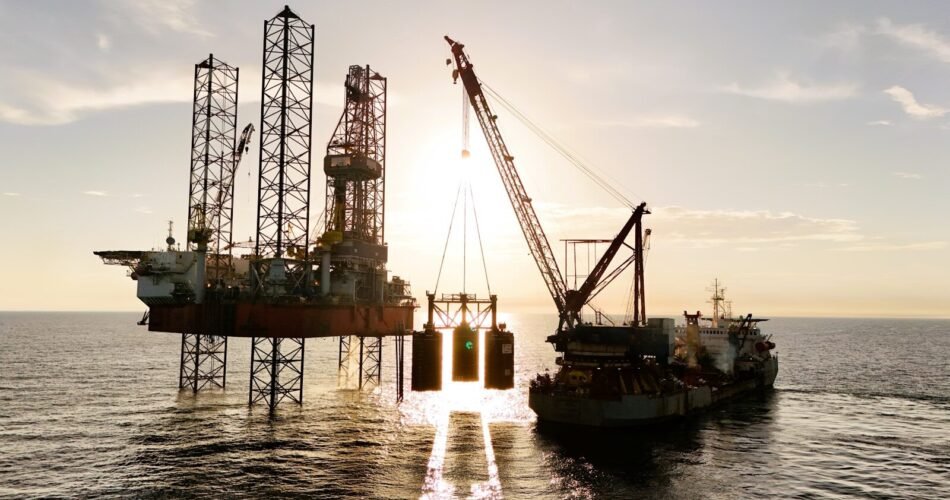
Offshore drilling blowouts are among the most catastrophic industrial accidents in existence. When a blowout occurs on an offshore rig or vessel, the results can include explosions, fires, structural collapse, and severe burns, blast injuries, and traumatic injuries to workers in the vicinity. These events are never “accidents” in the sense of being unforeseeable — they are the result of failed equipment, ignored warning signs, inadequate training, or deliberate cost-cutting that prioritized production over safety. Understanding liability and the legal path forward is critical for survivors and their families.
What Causes Offshore Drilling Blowouts?
A blowout occurs when formation pressure exceeds the ability of the well control system to contain it, resulting in an uncontrolled release of oil, gas, or other fluids. The primary line of defense against a blowout is the blowout preventer (BOP) — a sophisticated mechanical device designed to seal the wellbore in an emergency. When a blowout occurs, investigators typically find one or more of the following contributing factors:
- Blowout preventer failure: Mechanical failure or inadequate maintenance of the BOP is a leading cause of catastrophic blowouts. Investigations frequently reveal that warning signs of BOP malfunction were ignored or that required maintenance was deferred.
- Failure to recognize kick warning signs: A “kick” — an influx of formation fluid into the wellbore — is the precursor to a blowout. Failure to detect and respond to kick warning signs in time is a common cause of blowouts.
- Cementing and casing failures: Improper cementing of the well casing can allow hydrocarbons to migrate up the wellbore. Cementing errors have been identified as contributing factors in major offshore blowout disasters.
- Inadequate well control training: Crew members who are not properly trained to recognize and respond to well control emergencies may fail to initiate the correct procedures in time to prevent a blowout.
Who Is Liable in a Blowout Injury Case?
Blowout injury cases typically involve multiple potentially liable parties, each of whom may bear partial or full responsibility for the event.
The Drilling Contractor
The drilling contractor — the company that operates the rig and employs the drilling crew — bears primary responsibility for maintaining a safe drilling operation, ensuring the BOP is properly maintained and tested, and ensuring crew members are properly trained in well control procedures.
The Well Operator
The oil and gas company that owns the well and directs drilling operations — the “operator” — may bear liability for decisions that contributed to the blowout, including the decision to proceed with operations despite warning signs, decisions about cementing procedures, and failure to conduct required pressure tests.
Equipment Manufacturers
If a blowout was caused or contributed to by a defective BOP or other drilling equipment, the manufacturer of that equipment may face products liability claims independent of any negligence by the drilling contractor or operator.
Service Companies
Companies that provide cementing, mud logging, well monitoring, and other specialized drilling services may bear liability if their services contributed to the conditions that caused the blowout.
Applicable Legal Frameworks
Workers injured in offshore blowouts may have claims under multiple legal frameworks depending on their employment status and the location of the incident. Crew members working aboard a drilling vessel may have Jones Act claims. Workers on fixed platforms may have LHWCA claims. All injured parties may have general maritime law claims for unseaworthiness and products liability claims against equipment manufacturers.
The Evidence Investigation in Blowout Cases
Blowout injury cases require an investigation of extraordinary scope and technical complexity. Key evidence includes the complete drilling records leading up to the blowout, BOP maintenance and testing records, mud logging data showing formation pressure behavior, crew training and certification records, communications between the drilling crew and the operator’s company man, and regulatory inspection records.
Government investigations — by the Bureau of Safety and Environmental Enforcement (BSEE) and the Coast Guard — produce substantial documentary evidence that is available to injured workers and their attorneys.
Compensation Available to Blowout Injury Victims
Survivors of offshore blowouts who qualify as seamen under the Jones Act may recover the full range of maritime damages, including past and future medical expenses, lost wages and earning capacity, pain and suffering, and punitive damages when the employer’s conduct was egregious. Families of workers killed in blowouts may have wrongful death claims under the Jones Act and the Death on the High Seas Act (DOHSA).
Conclusion
Offshore drilling blowouts do not happen without cause. Behind every such disaster is a chain of decisions, failures, and compromises that created the conditions for catastrophe. For the workers and families affected, holding the responsible parties accountable requires legal counsel with deep expertise in maritime law, offshore drilling operations, and the regulatory framework governing offshore energy production. If you or a loved one was injured in an offshore blowout, act immediately to preserve your legal rights.
The information in this article is provided for educational purposes only and does not constitute legal advice. Always consult a licensed attorney in your jurisdiction.

