
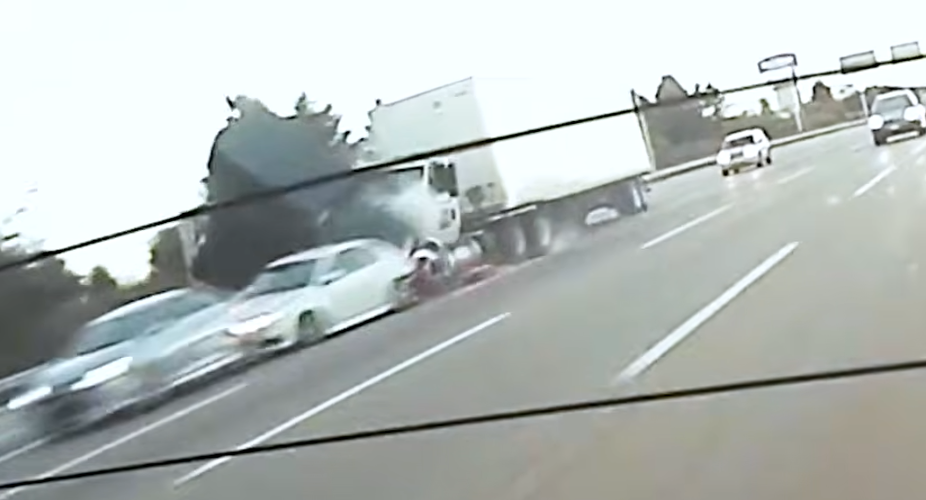
Truck accidents are among the most severe types of vehicular incidents on American roadways today.
When a large commercial vehicle collides with a passenger car, motorcycle, or pedestrian, the sheer mass and kinetic energy involved often result in catastrophic injuries to the victims. The aftermath of such an event is not merely physical; it involves complex legal battles, insurance negotiations, and long-term recovery planning. For anyone navigating this chaotic landscape, understanding how specific body parts—such as hands and ears—are affected, and the broader implications for liability, is crucial.
While search queries may vary, the core needs of a victim remain consistent: immediate medical attention, fair compensation, and expert legal guidance.
This comprehensive guide explores the critical factors involved in truck accident claims, focusing on severe physical trauma, legal standards of liability, and the steps required to secure justice for injured parties.
The Immediate Aftermath
Securing Medical Evidence
When a collision occurs involving a semi-truck or large commercial vehicle, time is often of the essence.Victims frequently sustain injuries that are not immediately visible upon impact. These “silent” injuries can worsen significantly without proper intervention, complicating future litigation and recovery. Therefore, the very first step in any accident protocol is seeking professional medical evaluation at a trauma center or emergency department equipped to handle high-severity cases.
Medical records serve as the backbone of any successful personal injury claim.
Without documentation linking your symptoms directly to the collision, insurance adjusters may deny coverage or offer minimal settlements. For injuries affecting extremities like hands, doctors can record fractures, nerve damage, or carpal tunnel syndrome resulting from airbag deployment or impact forces. Similarly, injuries to the ears—often caused by glass shards, concussions, or noise trauma from sirens or collisions—require specialized diagnostics like audio grams and MRI scans.
Documenting Injury Timeline: Keep a detailed log of every symptom you experience following the crash.

