
Working on an offshore rig or vessel involves some of the most demanding conditions in the industrial world.
From deep-sea oil and gas drilling rigs to remote commercial fishing boats, employees face unique risks far removed from typical construction or factory settings.
The term offshore injuries encompasses a wide range of physical harm sustained by seamen, rig workers, and support personnel while performing their duties on the high seas.
According to the Bureau of Labor Statistics, oil and gas extraction remains one of the most dangerous industries in the United States. The combination of harsh weather conditions, high-pressure machinery, hazardous materials, and the isolation from immediate land-based emergency services creates a perfect storm for accidents. Understanding the nature of these injuries, the legal protections available to workers, and the critical steps required for seeking compensation is vital for protecting one’s livelihood and health.
This comprehensive guide delves into the world of offshore injuries, exploring common causes, types of harm, legal frameworks like the Jones Act, and the essential process of documenting an injury claim.
What Constitutes an Offshore Injury?
An offshore injury occurs when a worker suffers physical damage or psychological distress while engaged in maritime employment. This can happen on oil rigs, drilling platforms, tankers, dredgers, or crewed ships. Unlike land-based work accidents, these incidents often involve specific maritime laws because the location is international waters or state coastal waters governed by federal statutes rather than local health and safety codes alone.
Injuries are generally categorized into two main groups: traumatic injuries resulting from specific accidents (such as falls or explosions) and occupational illnesses caused by long-term exposure to harmful environments (such as repetitive motion disorders or chemical exposure). Because these workers are often in confined spaces with complex equipment, the severity of injuries can escalate quickly. A slip on a wet deck, for instance, can result in fractures if the worker falls onto unyielding metal structures.
Common Causes and Risk Factors
Identifying the root causes of offshore injuries is the first step in prevention and liability determination. The offshore environment introduces several specific risk factors:
Slip, Trip, and Fall Hazards: Wet decks, oily surfaces, and high winds are constant threats on an oil rig or vessel. A simple fall from height—a “fall from level” or “fall to a lower level”—is statistically one of the leading causes of severe injury in offshore operations.
Heavy Machinery Accidents: Offshore workers operate cranes, pumps, and drilling equipment daily. Mechanical failures, pinch points, and entanglement with moving parts can lead to crushing injuries or amputations.
Gas Leaks and Explosions: The primary purpose of many offshore rigs is energy extraction. However, methane leaks and hydrogen sulfide (H2S) releases pose catastrophic risks. A single spark can cause a massive explosion or fire, leading to burn injuries and structural collapse.
Musculoskeletal Injuries: Repetitive lifting of heavy equipment or materials without proper ergonomics can lead to chronic back issues, herniated discs, and shoulder strain. The vibration from engines can also lead to Hand-Arm Vibration Syndrome (HAVS).
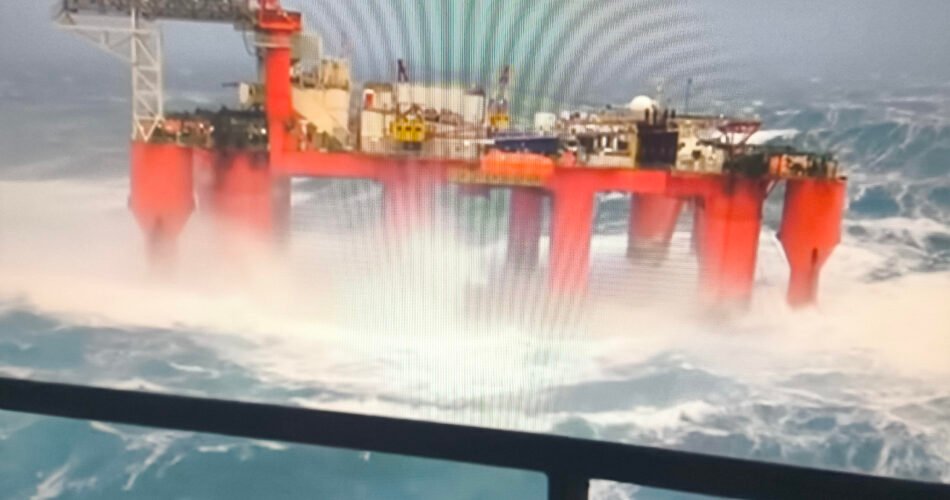
Weather-Related Accidents: High seas, fog, storms, and rough currents make navigation and rig movement treacherous. Severe weather can cause structural shifting or sudden capsizing of smaller vessels.
Common Types of Offshore Injuries
To effectively seek compensation, one must categorize the specific nature of the injury. Here are the most frequent types of offshore injuries:
Fractures and Broken Bones: These often occur during falls into machinery pits or from falling onto metal beams.
Burns and Scalds: Exposure to hot pipes, steam lines, or chemical fires can cause severe third-degree burns.
Hypothermia and Frostbite: Long-term exposure to the cold ocean environment without adequate thermal protection leads to systemic injury.
Vertigo and Motion Sickness: In smaller vessels like supply boats, constant movement can lead to severe vertigo, leading to falls on slippery decks.
Respiratory Issues: Exposure to toxic fumes or asbestos (common in older rigs) can cause long-term lung damage like silicosis or mesothelioma.
The Jones Act and Maritime Legal Protections
In the United States, the legal landscape governing offshore workers is distinct. For maritime employees suffering injuries, the Jones Act of 1920 provides critical protections not afforded to typical land-based construction workers. Under this federal law, a seaman (which includes offshore rig workers) can sue their employer for negligence that led to their injury.
Unlike standard workers’ compensation claims, which are often “no-fault” systems where you recover fixed benefits regardless of who caused the accident, the Jones Act requires proving that the employer was negligent in some way. However, it is also easier to get compensation because the burden of proof is different. Furthermore, under the Maintenance and Cure rule, employers must provide medical treatment until a worker reaches maximum medical recovery, regardless of fault.
Another critical protection is the **Longshore and Harbor Workers’ Compensation Act (LHWCA

